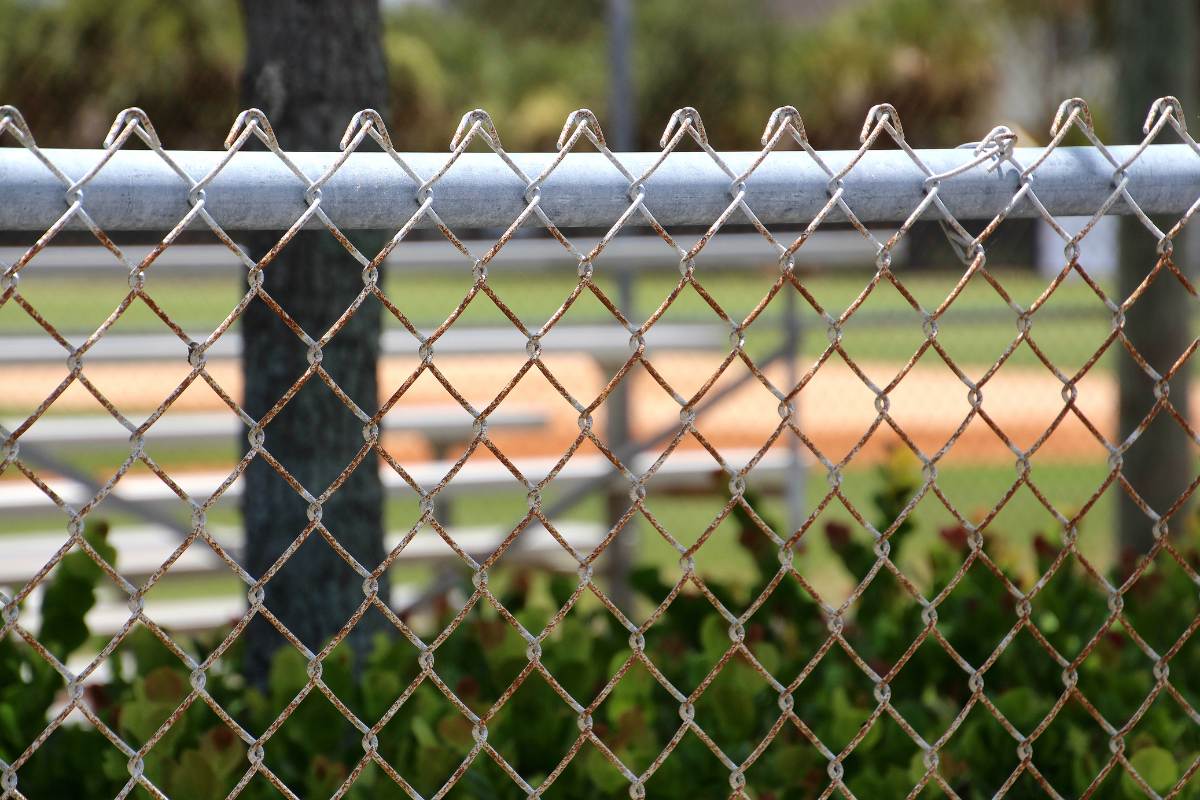
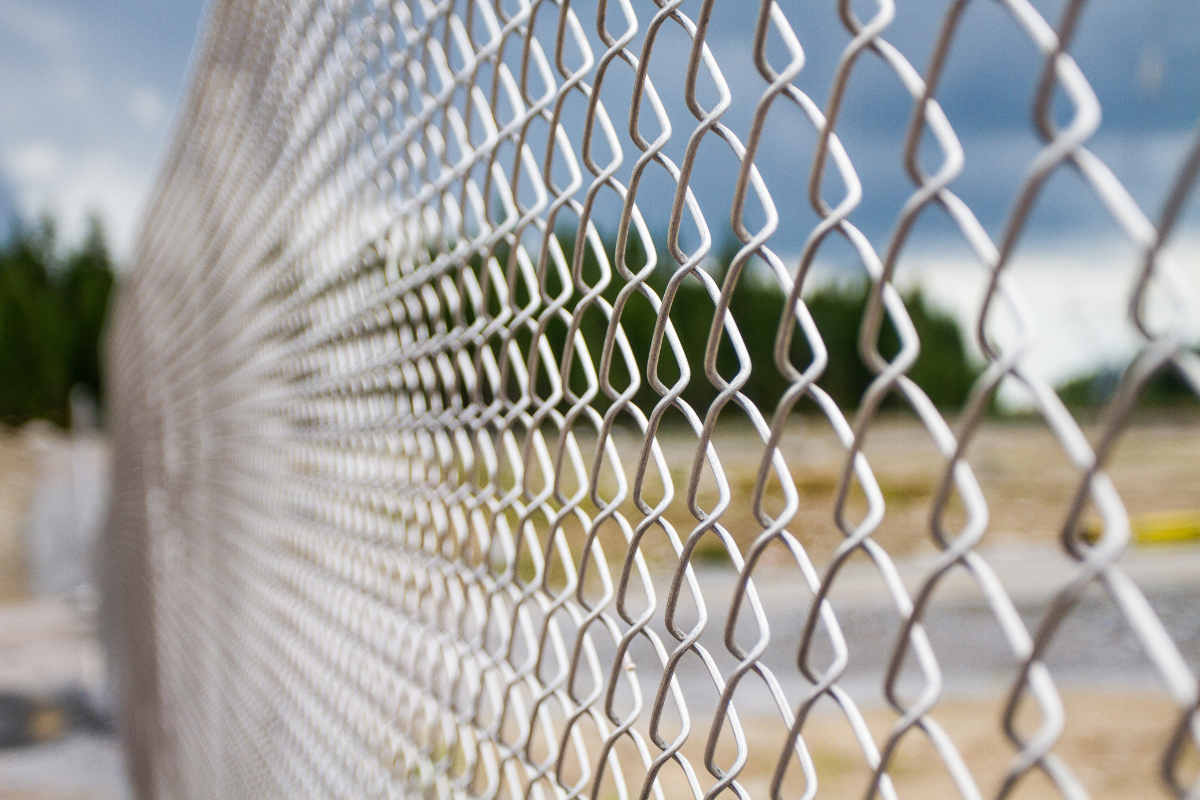
Walk past any schoolyard, utility site, or tidy backyard with a friendly dog, and you will likely find chain link fencing doing quiet, reliable work. It is honest material: galvanized steel fabric, tensioned between anchored posts, capped with fittings that last. Done right, it delivers strength, visibility, and a price point that leaves room in the budget for landscaping or a new shed. Done poorly, it waves in the wind, sags at the gates, and rusts at the bottom where the lawn stays wet. The difference does not come from marketing promises. It comes from choosing the right specification for your needs, then hiring a chain link fence contractor who treats small details as the main event.
This guide distills what seasoned installers and thoughtful property owners weigh when they plan chain link fencing services. Whether you need a compact dog run behind a townhouse or a thousand feet of perimeter around a light industrial yard, the same fundamentals apply: gauge, coating, framework, footings, fittings, and the craftsmanship to pull them tight.
Where chain link earns its keep
Some customers arrive already sold on chain link fence installation. Others need help comparing it to wood, vinyl, or ornamental steel. In pure function per dollar, chain link punches above its weight. It delivers clear sightlines for security cameras and patrols. It resists wind because air passes through. It can handle uneven terrain with fewer grading headaches. And if a panel is damaged, chain link fence repair is often straightforward, with fabric splices or a post replacement costing a fraction of a full section in other materials.
The one objection I hear most is aesthetics. Raw galvanized fabric looks distinctly utilitarian. That can be a plus at a warehouse, not always in a front yard. The good news is you can soften the look without losing budget discipline. Black or green vinyl-coated fabric blends into landscape backgrounds. Slats add privacy and mute the sparkle. Low-profile framework with powder-coated fittings looks clean and deliberate, not improvised. The more you upgrade, the more you approach the price of wood or vinyl, but you control those steps.
How cost really breaks down
When a chain link fence company quotes a project, the number reflects several levers you can adjust. The least expensive version is not always the best value. There are places where you can economize safely, and others where cutting cost guarantees a short service life.
- Fabric gauge and height: Most residential fences use 11 or 11.5 gauge, 2 inch diamond fabric at 4 to 6 feet in height. Stepping up to 9 gauge makes a fence feel stout and resists deformation, especially around active kids or bigger dogs. At 8 feet and above, building codes in many jurisdictions expect heavier fabric and more robust framework. Taller always costs more, not just for the fabric but for longer posts, more concrete, and extra rails. Coating: Galvanized after weaving is the baseline. Where salt, fertilizer, or coastal air are daily realities, vinyl-coated fabric over galvanized buys time. Expect to add roughly 20 to 35 percent for coated fabric and matching powder-coated framework. In regions with freeze-thaw cycles and road salt, that premium often pays for itself over ten years of lower maintenance. Framework: Posts, rails, and braces come in different wall thicknesses. Light residential grade uses thinner walls that flex under load. In windy areas or where kids climb, stepping up to schedule 40 posts for corners and gates, then using commercial-grade line posts, provides a backbone without breaking the bank. The framework choice matters as much as fabric gauge for longevity. Footings: I have seen 6 inch diameter holes, 18 inches deep, called “good enough” on flat, stable soils. That depth is not code-compliant where frost lines run 36 inches. Shallow, narrow footings are the first thing that turns a straight fence into a sawtooth after a wet winter. If there is one place not to shave cost, it is footing depth and diameter appropriate to your soil and climate. Gates and hardware: A plain walk gate is simple. Double drive gates need proper center stops, cane bolts, and diagonal bracing. Add an automatic opener and the cost moves more than the fence itself. Budget for quality hinges and latches, then protect gate posts with extra depth or larger diameter to resist the daily lever action of opening and closing. Terrain and obstacles: Trees, boulders, exposed ledge, sprinklers, buried utilities, skewed property lines, and retaining walls add labor. On sloped yards, stepping the fence keeps the top line straight but requires custom cuts and more fittings. Rolling the grade with smaller diamonds can follow gentle slopes cleanly. Expect a site walk to change a phone estimate.
On a typical suburban lot, a 100 foot run of 5 foot galvanized chain link, one walk gate, installed by a reputable chain link fence contractor with proper concrete footings, often lands in the range of a few thousand dollars. Black vinyl-coated fabric, heavier framework, and a second gate can lift that by 30 to 60 percent. Prices swing by region, and steel markets are not shy about movement. A local chain link fence company will price to material costs in real time.
Planning around real life, not a catalog
The tidy material list on a bid does not tell the story of how a fence will serve your actual routines. A small shift in layout can save you money or headaches for years. I have walked yards with owners who want a straight run that meets their driveway flush, only to realize the snow plow heaps winter drifts right there. Pushing the corner back a foot keeps the gate clear without a pricier raised opening.
Think through gate placement in terms of traffic. Where do the garbage bins roll? How wide is the mower deck? If you have a dog that darts, set the gate to swing inward, and mount the latch so small hands cannot reach it from outside. On sloped driveways, outward-swinging double gates can scrape or bind. Plan for the swing arc and level variations before you set posts in concrete.
Utilities deserve more than a quick 811 call. Sprinkler lines and pet containment wires sit shallow and get sliced during post hole drilling. If you are not sure where they run, probe gently or bring in the installer who put them in. Paying for a couple of locator hours beats repairing flooded sod and fiddly wire splices after the fact.
Neighbors matter. Chain link looks different on each side. If the clean side faces away from you, ask how the framework will sit and where the tension bar runs. Many neighborhoods have informal expectations about keeping the posts on the inside and fabric facing outward. Align expectations and you avoid small resentments that last longer than any fence.
Choosing specifications that match your goals
I ask customers to tell me what they want their fence to do, in plain terms: keep a dog contained, deter trespassers, protect equipment from theft, define a property line, or add privacy. Each goal nudges the spec.
For basic containment, 4 to 5 foot fabric with 11 gauge wire, galvanized framework, and a single bottom tension wire keeps most dogs in and most kids out. If your dog is a digger, spec a bottom rail instead of just tension wire, or bury a 12 inch apron of fabric turned into the yard. A bottom rail costs a little more up front. It saves you from ratty-looking repairs after one determined weekend.
For security, height and rigidity deter attempts. Move to 6 or 8 feet, 9 gauge fabric, schedule 40 terminal posts, and three rails if local code allows. Add a mid-rail or fabric stretcher bars on long runs. Your chain link fence installation should include braced corners, tension bands spaced reasonably tight, and solid gate frames. Three strands of barbed wire on outriggers are common for restricted areas, but neighborhood associations often forbid it. Cameras see through chain link clearly; privacy slats reduce sightlines but also wind load, which changes the spec again.
For privacy, slats or privacy screens add visual coverage. Slats are long-lived and quiet in the breeze, but they load the fence in storms. This is where under-spec’d framework fails by buckling posts or ripping fabric. If you plan for slats now or later, tell your chain link fence company early so they upsize posts and possibly sink them deeper. Fabric with smaller diamonds, such as 1.75 inch, holds slats better.
For coastal or corrosive environments, vinyl-coated fabric, powder-coated fittings, and hot-dipped galvanized or aluminum framework resist pitting and rust. I have replaced five-year-old budget galvanized fences within a mile of saltwater that rotted from the bottom up. A coated spec adds cost and saves replacement. Where fertilizer and irrigation overspray hit daily, the same advice applies.
The craft that separates sturdy from shaky
You can feel a good fence before you step back to admire it. The fabric is tight as a drum when you rap it. The top rail carries a straight line without dips. Terminal posts stand plumb, and gates swing without dragging or bouncing. That outcome comes from sequencing and small disciplines.
Tension matters. Installers should pull fabric with a come-along or a stretcher bar across the full height, not by hand at a few ties. The first and last diamonds should line up with tension bars cleanly, not kinked. Ties should be spaced per spec, closer near gates and corners. Cheap ties every 18 inches invite sagging; saving a few dollars there costs you the look and feel.
Corners and ends need bracing. A single post holding a long run behaves like a hinge. The diagonal brace, sometimes called a truss rod, and a well-placed brace band create a triangle that resists pull. Without it, the top rail takes more stress and bends over time. On sloped runs, bracing angles change, and installers who eyeball without measuring can misplace them. The fix is tedious, which is why some crews skip it. Do not let them.
Concrete should fully surround posts and extend a few inches above grade, then slope away to shed water. The habit of doming concrete helps keep water from sitting at the post base, where freeze cycles split it and invite rust in. Dry-pour “set in place” mixes are fine in easy soils on short fences, but in clay or saturated ground, a wet mix and deeper excavation pay back with stability.
Gates deserve a dedicated moment. The leaf should be square and the latch engage without slop. If your driveway heaves in winter, adjustable hinges help you re-level without calling someone out. Wider double gates need a center stop that meets the leaves without a dance. A simple pin drop into a concrete sleeve works, but if you plan to move equipment often, consider a robust drop rod assembly and a paved strike point that will not churn to mud.
Repairs that make sense, and repairs that do not
Chain link fence repair can be nimble. Bent top rail? A new section spliced with a swaged end is a one-hour fix. A damaged panel of fabric? Cut out and lace in a new piece with a spiral wire, pulling tension bars evenly. A leaning line post? Pull and reset the footing if the soil allows, or add a new post and transfer load.
When a fence has lived beyond its due, patching becomes false economy. https://israelhbrn785.yousher.com/quick-tips-for-chain-link-fence-repair-and-maintenance-1 If more than a third of the posts wobble, rust has migrated into the wall of the steel, and concrete is crumbling, a full replacement is usually cheaper over five years than chasing failures. Look near the bottom of fabric for broken wires where lawn equipment and trapped moisture do their worst. If the mesh is brittle to the touch, vinyl cracking or zinc flaking, it is time to talk replacement rather than another splice.
Vandalism presents a special case. Cuts near the bottom can be repaired cleanly, but repeat hits in the same area call for heavier gauge, a bottom rail, or even buried fabric. For commercial sites with persistent issues, upgraded framework and a modest camera aimed along the line make more difference than signs.
Working with a chain link fence contractor you can trust
Credentials and references matter less than how a contractor handles the site walk. Good ones take measurements, probe the soil at a few spots, ask about utilities, and talk through gate use. They sketch, then adjust based on how you move through your space. They bring sample fittings to show the difference between light-duty and commercial-grade hardware. They note code requirements and tell you where permits apply, not after the deposit clears but before you sign.
Insurance and licensing are table stakes. Ask about warranty in practical terms. A one-year workmanship warranty is common. Materials have factory warranties that vary by coating and manufacturer. What you want to hear is that the company stands behind posts that frost-heave because they misjudged footing depth, or a gate that sags because they under-braced it.
Beware of bids that are suspiciously low compared to others with similar scope. There is not a lot of mystery in material costs. When a number drops far below the pack, the missing money often shows up as thin-wall posts, shallow holes, fabric without certification tags, or a crew that rushes and leaves a mess. On the other hand, the highest bid sometimes includes upgrades you do not need. Ask each chain link fence company to break out fabric gauge, coating, framework size and wall thickness, footing dimensions, and gate specs, line by line. Transparency lets you compare apples to apples.
A budget-minded path that still delivers quality
If you come to a project with a firm cap, prioritize the pieces that carry structural weight and safety, then phase in upgrades later.
Start with appropriate post depth and diameter for your soil and climate. That is non-negotiable. Next, choose fabric in a gauge that suits your use. If it is a quiet yard with a small dog, 11 gauge can serve well. If you have teenagers who will inevitably kick a ball against the fence, step to 10 or 9 gauge on high-impact runs. Keep galvanized fabric if aesthetics allow, and save vinyl coating for the front stretch or the side that faces the neighbor’s patio.
Use commercial-grade terminal posts and hardware at corners and gates, even if line posts stay residential grade. Consider a bottom tension wire instead of a full bottom rail to control cost, but be honest about your dog’s behavior. If digging is a known sport, the bottom rail is cheaper than a broken ankle from a tripping rut or a lost pet.
Plan for one quality walk gate, wide enough for what you roll through weekly. Add a drive gate later if you are not moving equipment now. Build your fence to accept slats by choosing fabric that holds them well, but delay buying slats until the budget allows. A well-built galvanized fence without slats today is better than a flimsy slatted fence that needs repair next spring.
What installation day looks like, and why it matters
On the morning a crew arrives, they should review the plan with you and mark the line with paint and string, making small adjustments for obstacles or drainage that only reveal themselves at ground level. Holes get drilled at planned depth and diameter, and posts are set plumb with braces while the concrete cures. Top rail is cut and fitted, corners braced, and tension wire run if specified.
Fabric goes up after the concrete takes set. A good crew will check tension as they progress, tying at intervals then stepping back to sight the line before completing ties. Gates are hung last and adjusted under real weight. Hardware is tightened, latch clearance checked, and any sharp cuts or wires are trimmed and turned safely. The site should be raked and debris hauled away, not left for you to find with your mower.
If a storm is forecast, an experienced crew stages the work so fresh posts are not loaded by a gale. They might set posts one day and return to hang fabric the next. That pause protects your investment and shows judgment.
A brief comparison with alternatives when budgets are tight
People sometimes ask whether a wood fence could match chain link’s price. In some markets, basic stockade panels come close on material cost but diverge on labor and lifespan. Wood delivers privacy and a warmer look, but it needs stain or paint, and boards split or warp. Vinyl costs more upfront, with low maintenance, but it offers less airflow and requires more precise installation on slopes.
Ornamental aluminum looks sharp, especially in front yards, but price per linear foot typically lands above a well-specified chain link fence. Security is different too. Aluminum pickets deter climbing by lack of footholds, but they bend if struck, and repairs are not as modular as chain link’s fabric splices.
If your priority is maximum function at minimum cost, chain link remains a smart play. If appearance drives the decision and budget stretches, blending materials is a clever compromise: chain link down the sides and back where it is seen less, a short ornamental run up front to frame the yard. Gate styles can match across both so the whole perimeter reads as one thought.
Maintenance that saves money down the line
Chain link’s maintenance list is short if you build it right. Walk the line twice a year. Look for loose ties, sagging sections, or new rust at cut points. Keep vegetation from climbing and adding weight. Trim grass near the bottom so sprinklers do not saturate the fabric daily. Rinse coastal salt or winter brine with a hose when you wash the car. Check gate bolts and hinge pins for play and snug them with a wrench.
When winter comes, lift drop rods before freeze, or they will lock in ice. In spring, if a post looks out of plumb, do not wait until July. Early attention keeps small shifts from becoming big leans. A can of cold galvanizing spray on small scratches preserves zinc protection. Vinyl-coated fabric that gets nicked can be sealed with color-matched touch-up to keep rust under the skin.
These tiny acts keep a budget-friendly fence from consuming budget later. I have fences in service past twenty years with only a couple of replaced rails and one refreshed gate latch. The owners did not baby them. They just paid attention.
A real-world snapshot
A client managing a modest trucking yard called with a problem. Their five-year-old fence looked tired: sag near the double gate, fabric ballooned out from forklifts nudging pallets too close, and grass growing into the mesh at the bottom, trapping moisture. They wanted to add privacy slats to hide parked trailers, but the wind on that open lot worried me. The existing framework was light residential grade, and posts sat in shallow footings. Slats would have turned the fence into a sail.
We re-spec’d the front 200 feet with heavier terminal posts and a bottom rail, kept the line posts in place where they were sound, and braced the corners properly. The gate got new adjustable hinges and a reinforced frame. Rather than full-height slats, we installed a privacy screen only on a section set back from the road, blocked by a low berm that softened wind. The rest stayed open for airflow. The budget stayed on target because we upgraded where load concentrates and avoided a uniform but unnecessary premium everywhere else. Two years later, the fence still reads straight, and the gate swings like a door.
When DIY works, and when it does not
A handy homeowner can install a short run of chain link. Kits exist, and rental yards carry post hole augers. For a 50 foot side yard with one walk gate and forgiving soil, doing it yourself over a weekend makes sense if you follow manufacturer spacing, depth, and tension guidelines. The place DIY often stumbles is gate hanging and corner bracing. If the gate sags, every use reminds you where the corners were rushed.
On larger or sloped sites, or when privacy slats enter the picture, a professional crew earns its keep. The labor efficiency alone offsets rental fees and return trips for missing fittings. More importantly, the nuance around bracing angles, fabric pull, and footing decisions simply comes from repetition. A chain link fence contractor who installs weekly will complete in a day what takes a novice three weekends, and the result endures.
Final thoughts for a smart, affordable fence
Budget and quality in chain link are not enemies. You can get a fence that looks neat on day one and holds its line for years without paying for features you do not need. Start with clear goals. Choose specifications that match the job, not a sales sheet. Focus your dollars on footings, framework at corners and gates, and proper tension. Add aesthetic upgrades where they matter most to you or the street view. Work with a chain link fence company that listens, walks the site with care, and explains every line of the quote.
When you do those few things, chain link becomes what it has always been at its best: simple, tough, and good value. It does the work, quietly, so you can get on with yours.
Southern Prestige
Address: 120 Mardi Gras Rd, Carencro, LA 70520
Phone: (337) 322-4261
Website: https://www.southernprestigefence.com/