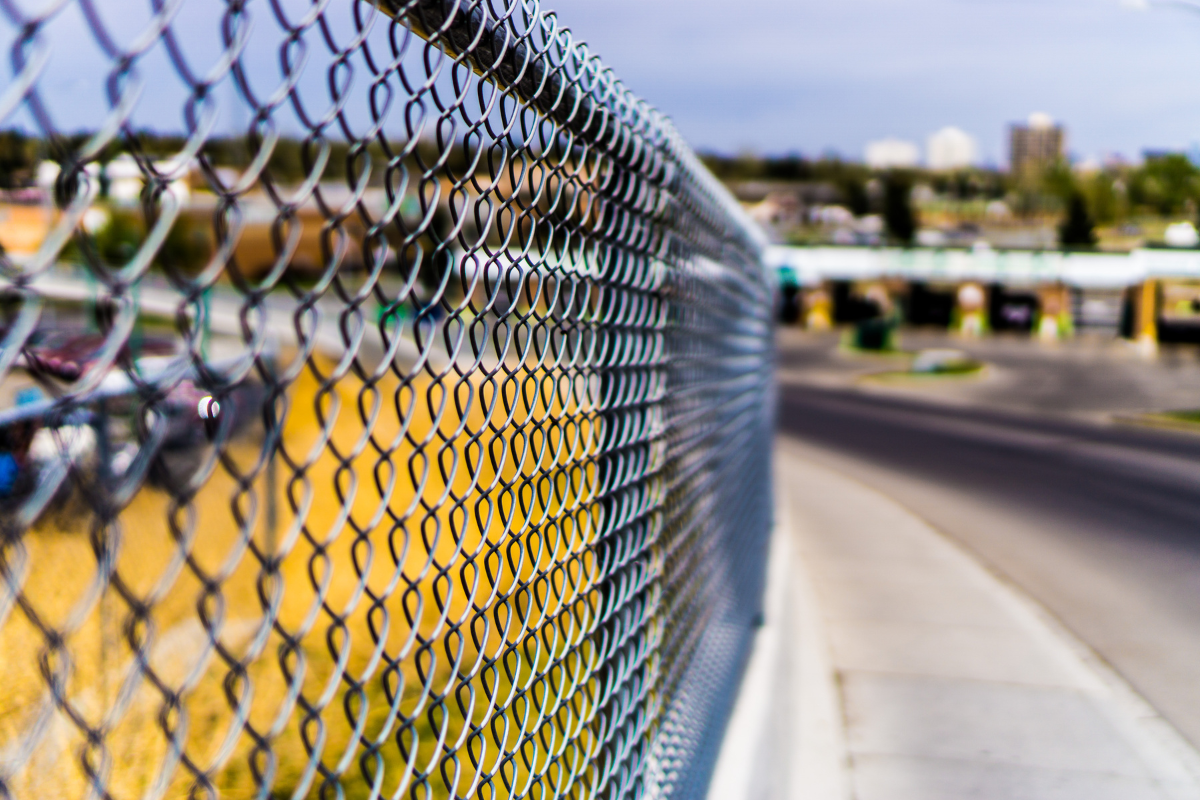
Chain link gets an unfair reputation as the plain, utilitarian choice. The truth is, with the right design and professional installation, it becomes a versatile workhorse that fits tight budgets, demanding sites, and odd-shaped properties without fuss. I have installed chain link around ballfields, substations, schools, rooftops, dog parks, and backyard gardens, and the patterns are always the same: the job goes smoothly when planning is specific, materials match the mission, and the crew respects the craft. The result is a fence that looks clean, stands straight, resists abuse, and solves the exact problem you hired it to solve.
Below is a practical guide drawn from the field: what to decide before you buy, how to customize for the environment, and the installation details that keep posts upright and fabric taut for years. Whether you are working with a chain link fence contractor or coordinating with a facilities team, this walk-through will help you speak the language and avoid the avoidable.
Where chain link excels, and where to rethink
The strongest case for chain link is simple: it delivers reliable security and visibility at a lower cost than solid panel systems. It bends around curves, dips into swales, and climbs grades without needing dozens of custom panels. Gates are easy to scale up or down. Repairs are straightforward because components are standardized, and you can replace a damaged section without tearing down the whole run.
Visibility can be a feature or a flaw. For schools, sports facilities, and many light industrial sites, being able to see through the barrier improves safety and reduces hiding spots. For residential yards or sensitive areas, you might want privacy slats, windscreens, or landscaping to block sight lines. Noise control is another consideration. Chain link does not dampen sound, so if traffic noise or mechanical equipment is a concern, either use solid fencing where noise matters or pair the chain link with acoustic panels along the problem stretch.
The common mistake is to treat chain link as one-size-fits-all. For example, speccing a standard galvanized 9 gauge fabric near saltwater will look fine in year one and then start rusting from cut ends and fittings. Or using residential posts for a perimeter that gets wind-loaded by a dense privacy screen will twist posts and sag the top rail. Good chain link fencing services recognize these trade-offs and advise accordingly.
Planning that saves money and headaches
The most valuable hour in any chain link fence installation is the one spent on https://edwinepxy464.huicopper.com/custom-heights-and-styles-in-chain-link-fencing-services layout and measuring. Walking the property with a tape, a can of paint, and a level reveals the surprises that never show on plat maps. I look for underground utilities, sprinkler lines, drainage paths, and tree roots. A fence that dams stormwater will push out of alignment over time, and a single unmarked irrigation line can turn a simple post hole into an unexpected repair bill.
Gate placement deserves patient thought. Traffic wants the shortest sensible path. Put the gate where people or vehicles already travel, or create a clear line to the gate with hardscape. Too many otherwise solid fences get awkward because gates were placed to suit a symmetrical drawing instead of the way the site functions. On sloped ground, plan swing direction and hinge height so the gate clears grade without leaving a large gap on the latch side.
Material choices should match risk and environment. The fabric gauge, mesh size, post diameter, frame wall thickness, coating, and hardware all matter. When a chain link fence company presents an estimate, ask for explicit specs in writing. A line item that says “6-foot chain link fence” tells you very little. You want to see fabric gauge, coating type, mesh size, line and terminal post dimensions and wall thickness, top rail size, brace rail where needed, brace bands, tension bars, and post footing size. If your site is coastal, ask for SS304 or SS316 for critical fasteners and aluminum or PVC-coated steel where rust is a long-term threat.
Matching the fence to the environment
No two sites push on a fence the same way. Wind, salt, soil, and human behavior each apply their own forces. Here is how we balance them in the field:
- Coastal exposure: Even high-quality galvanized steel will show tea-staining at cut edges and hardware in salt-heavy air. For these jobs, I prefer black or green PVC-coated fabric over galvanized steel for the mesh and rails, with hot-dip galvanized or powder-coated fittings rated for marine environments. Stainless steel ties and tension bands at least on the windward side reduce maintenance. A quick freshwater rinse of gates and latches during routine grounds work extends life. Heavy wind or privacy screens: Privacy slats and windscreens look clean but add substantial wind load. If you add a windscreen across a long, unsheltered run, you need larger posts and deeper footings, plus bracing at corners and gate posts. For a 6-foot fence with a full-density screen, I often move from 1 5/8-inch line posts to 2-inch and add 2 1/2-inch terminals, then increase footing depth by 6 to 12 inches depending on soil. Rocky or expansive soils: In fractured limestone or cobble, a concrete core drill or pneumatic breaker may be necessary, and setting posts in a compacted crushed stone column can outperform concrete in some drainage-heavy sites. In expansive clay, bell-shaped footings or piers that drop below the active layer prevent heave. I have come back to jobs after winter and found two fences side by side, one built with shallow straight-sided footings and one with belled piers. The belled footings stayed plumb, the shallow ones leaned like they were tired. Security-sensitive areas: Mesh size and height are only part of the story. For high-security runs, specify 2-inch to 1-inch mesh, 9 gauge or heavier, bottom rails in addition to tension wire, and continuous bottom anchoring with a concrete mow strip or ground sleeves for tension wire. Outfitting with outward-angled outriggers and three or six strands of barbed or razor wire creates a psychological and physical barrier. Local codes and owner policies will govern these choices, so get approvals early. Animals and containment: Dog parks do well with 1 1/4-inch to 2-inch mesh to prevent paws from slipping through, bottom tension wire to discourage digging, and a concrete mow strip where persistent diggers live. For kennels, I often specify polymer-coated fabric for smoother edges and easy cleaning. Livestock requires height and heavier posts because animals lean, scratch, and test the fence daily.
A note on aesthetics that holds up over time
Chain link wins on utility, yet it can still look sharp. Black or dark green vinyl-coated fabric disappears against landscaping and reads cleaner than bright silver, particularly in residential or campus settings. Coordinated black powder-coated posts, rails, and fittings create a cohesive, intentional look. Mixing finishes looks like a patchwork. If budget forces a mix, prioritize consistent finish at eye level, especially the top rail and posts near entrances and gates.
Privacy slats come in flat, winged, and oval profiles, each with different coverage percentages and wind resistance. Flat slats provide the cleanest visual line but catch the most wind. Winged slats increase privacy with less material. For a tidy top line, top-locking slats keep the finish even.
Gates are the focal points. Square frames with internal bracing stay true longer than minimal frames that depend on a single diagonal cable. Hardware sets the tone too. A rugged fork latch with a lock guard and neatly installed chain stops looks serious and works day after day. If your chain link fence contractor shrugs at hardware, ask to see alternatives. Good hardware is cheap insurance.
Anatomy of a durable chain link installation
I have seen fences fail within two years and others stay straight a decade later under the same climate. The difference usually lives in four places: post footings, bracing, tensioning, and hardware.
- Post footings: Depth matters more than diameter. In frost zones, posts must sit below frost depth to prevent heave. A common residential spec is 8 to 10 inches in diameter and 24 inches deep for a 4-foot fence. For 6-foot fences, 10 to 12 inches diameter and 30 to 36 inches deep is typical, though soil and wind may push deeper. Corners, ends, and gate posts go deeper and wider because they take the pull. Bracing and trussing: Corners and ends need a brace rail and truss rod arranged so the rail takes compression and the rod takes tension. On long runs, install pull posts every 100 to 200 feet depending on wire gauge and terrain. A fence without proper bracing will look fine on day one and then slowly open up at the corners as the fabric creeps. Top rail and bottom control: A continuous top rail resists sag and keeps a clean line. Some budgets opt for a top tension wire instead, but top rail holds up better against climbing, trees, and wind screens. At the bottom, a tension wire sewn to the fabric with ties every 18 inches keeps animals from pushing under. For security or high wear, a full bottom rail or a concrete mow strip adds strength. Tensioning the fabric: Good installers use a come-along and stretcher bar to pull the fabric evenly, then tie to tension bars, not directly to posts. The fabric should ring like a drum when tapped, not flap. Over-tensioning is as bad as under-tensioning because it lifts posts or bows rails. Aim for taut without visible distortion of the mesh. Hardware and ties: Use aluminum or stainless-steel ties in corrosive environments and place them on the secure side. Space them consistently. Loose ties and random spacing invite failure, especially at gates where hands tug and wind works the weak spots.
When customization pays off
Most of the custom work we do falls into predictable categories: height, color, gate design, and integration with other site elements. But customization can also be subtle.
On a logistics yard with tight truck movements, we tied chain link bollard shields to the gate posts, so mirror strikes hit steel pipe, not the latch or frame. On a riverside trail, we arched the top rail in shallow sections to match a rising path grade, using short post increments to maintain a consistent top height. In a community garden, we built a double-gate vestibule with spring hinges so gardeners could push carts in without inviting a flock of clever raccoons.
These small moves take coordination and add modest cost, yet they distinguish a fence that works with the site from one that merely sits on it.
Working with a chain link fence contractor
A straightforward chain link fence company is not hard to spot. They ask more questions than they answer on the first site visit. They measure. They talk about soil, wind, and drainage. They point out potential problems rather than nodding through them. When the estimate arrives, it should list clear specifications. If the price seems too good to be true, the missing details will usually explain why.
Clarify who is handling utilities location. In many regions, calling to have public utilities marked is required by law and free. Private lines such as irrigation, lighting to monuments, or gas lines to pools are not part of the public locate and need separate attention. A good chain link fencing services provider will note this in the proposal so you are not surprised when a post hole cuts an unmarked wire.
Ask about lead times, especially for custom gates and powder-coated materials. Standard galvanized components are usually available quickly, while color-matched systems can take two to four weeks to arrive, more if a full run of green or black posts and rails is backordered. If your project has a tight window, confirm that materials can meet the schedule before you sign.
Finally, ask how the crew stages work. Clean staging keeps mess to a minimum. On busy sites, I prefer setting posts and pouring footings late in the day, when traffic is down, then hanging fabric and gates in the morning. The site stays safe, and the work flows.
Repair strategy and maintenance that makes sense
Even the best build will face impacts, growth, or vandalism. A thoughtful repair plan avoids tearing down more than necessary and restores strength.
Chain link fence repair falls into a few categories: re-plumbing leaning posts, replacing bent top rail, patching damaged fabric, and hardware replacement at gates. If a post is out of plumb because the footing failed, replacing or augmenting the footing is better than shimming. For top rail, sleeve splices create a clean fix. For torn fabric, a new section can be woven in by removing one wire to open a seam, then inserting a new wire to close the seam. With practice, this takes minutes and looks clean.
Gate problems often come from sagging due to a stretched cable or loose hinge bolts. Re-tension the diagonal cable or replace with a rigid brace if the frame allows. Hinges should be tightened and lubricated, and latches adjusted to catch with a firm push. Where gates get slammed by wind, add a ground stop or slow-close hinge to save the latch.
Routine maintenance is simple: walk the fence twice a year. Check ties, look for rust at cut edges, and clear vegetation that creeps into the fabric. On color-coated systems, a small bottle of touch-up paint on nicks prevents rust creeping under the coating. Where sprinklers spray a fence, adjust the heads to reduce mineral build-up and corrosion. Good maintenance is not glamorous, but it keeps a fence functional and tidy for a decade or more.
Balancing budget and performance
A common budget trap is to save small amounts per foot across hundreds of feet and then pay the difference back later in repairs. Upgrading from 11 gauge to 9 gauge fabric, or from 1 5/8-inch to 2-inch line posts, looks like a noticeable increase on a spreadsheet. In practice, it may add 10 to 20 percent to material cost and save you replacement costs two or three years down the road when wind or human use starts testing the fence.
On the other hand, not every site needs heavy-duty everything. For a garden enclosure behind a building, 11 gauge galvanized fabric on 1 5/8-inch posts with a top rail and bottom wire will do the job for years, especially with a small gate that sees gentle use. Spend where the stress lives: corners, gates, and long straight runs that take wind.
If you need privacy, consider balancing screens with landscaping. A partial screen on the most visible stretches, combined with hedging or fast-growing shrubs, often achieves the goal without loading the entire line with a sail that tries to uproot your posts in the first storm.
A short, practical checklist for owners
- Verify underground utilities, including private lines, before drilling or driving posts. Confirm materials by gauge, coating, post size, and hardware model in the written estimate. Place gates where traffic naturally flows, and ensure swing clearance on slopes. Right-size posts and footings if adding privacy slats or windscreen. Schedule a post-installation walkthrough and set a maintenance check at six months.
Beyond the rectangle: handling slopes, curves, and tight spaces
Chain link fabric adapts well to terrain. On gentle slopes, we “rake” the fabric by following grade while keeping posts cut to a consistent top height. On steeper slopes, stepping the fence with incremental height changes at posts keeps the fabric vertical, then overlapping and trimming at transitions for a neat finish. Curves are handled by shorter post spacing and slight angle changes, rather than a few dramatic bends. The result reads as a smooth arc rather than a polygon.
Tight spaces, like between a building and a property line, demand precise measurements and pre-planning for gate swing. Rolling gates can be a blessing where swing space is constrained, but the track and guide system must be sized to resist racking and debris. If the ground is uneven or prone to snow buildup, a cantilever gate avoids ground tracks altogether. Cantilever frames are heavier, so confirm post size and footing depth, especially for clear openings wider than 12 feet.
On rooftops, chain link is a frequent choice because it is relatively light, code-compliant for guardrails when built to spec, and easy to anchor to parapets or equipment platforms. Rooftop projects require coordination with roofing warranties. Penetrations must be properly flashed, or base plates with ballast used where penetrations are not allowed. A chain link fence contractor experienced with rooftop work will have details ready for both systems.
Safety and code considerations
Height, setback, and top treatment are governed locally. In many municipalities, residential front yard fences are limited to 4 feet, while side and rear yard fences may go to 6 or 7 feet. Pool enclosures have very specific rules: minimum heights, maximum gap sizes, self-closing and self-latching gates, and hardware located at child-safe heights. Some jurisdictions restrict barbed wire in certain zones or require permits for fences above a set height.
Electrical or telecommunications facilities introduce additional requirements like grounding and bonding. If you are fencing near energized equipment, specify insulated fittings where necessary and ensure the fence ties into the facility grounding system per code. These are not areas for guesswork. Show the installer the exact code sections or regulatory requirements, and get sign-off from the authority having jurisdiction.
Timelines, staging, and what to expect on site
A typical 200-foot residential 6-foot fence with one gate takes two to three days with a two-person crew, depending on soil, demolition, and access. Day one is layout, post setting, and concrete. Day two is hanging rails and fabric, tensioning, and installing the gate. If concrete needs more cure time due to cold weather or heavy gates, add a day. Commercial perimeters scale accordingly. A 1,000-foot run with multiple gates and privacy screens might take a week for a four-person crew with an auger and skid steer.
Expect noise from drilling or driving posts and the occasional saw cut on rails. A neat crew stages materials along the fence line without blocking driveways or entries. Ask the chain link fence company how they handle debris and offcuts. The site should finish clean, with concrete spoils removed and soil graded back against the mow strip or fabric base.
Using the right vocabulary helps
Three quick terms avoid confusion when discussing the scope. Fabric refers to the woven mesh. Rails are horizontal pipes, typically the top rail and sometimes a mid rail or bottom rail. Line posts are the intermediate vertical posts; terminal posts are end, corner, and gate posts. Ties connect fabric to rails and posts. Tension bars run vertically at ends and gates to distribute load evenly across the fabric. When you ask for heavier line posts or a mid rail, your installer knows exactly what to quote and how it affects the system.
Sustainability and reuse
Galvanized steel is recyclable, and so is aluminum. When replacing an old fence, salvaging undamaged rails and posts for non-critical applications saves money and reduces waste. I have used straight, rust-free rails from a demolition as bracing in a community garden and as temporary barriers during construction phases. PVC-coated fabric is more challenging to recycle, but longevity often offsets the environmental cost, particularly when it replaces frequent repainting or multiple replacements of lower-quality materials.
For stormwater management, a chain link fence with a 6-inch gravel strip and a modest mow strip can act as a clean edge that discourages erosion and weeds along property lines. This reduces herbicide use and keeps sediment out of drains. Small details like this make the fence part of a broader site strategy.
The payoff of getting it right
A well-planned chain link fence installation looks effortless when it is finished, which is the point. Gates swing easily and close with a satisfying catch. The top line reads straight and level. The fabric is tight and silent in the wind. Visitors notice the orderliness more than the fence itself, and that quiet competence is what you want for a barrier that serves daily and asks nothing in return.
If you are weighing options among chain link fencing services, aim for the team that listens closely, offers clear choices on materials and methods, and explains the why behind each recommendation. Chain link is not glamorous, but it is honest work. When executed with care, it handles unique needs with ease, adapts to tricky sites, and lasts long enough to make you forget when it was installed. That is the hallmark of good infrastructure and good craftsmanship: it simply does its job, year after year, without becoming another problem to solve.
Southern Prestige
Address: 120 Mardi Gras Rd, Carencro, LA 70520
Phone: (337) 322-4261
Website: https://www.southernprestigefence.com/