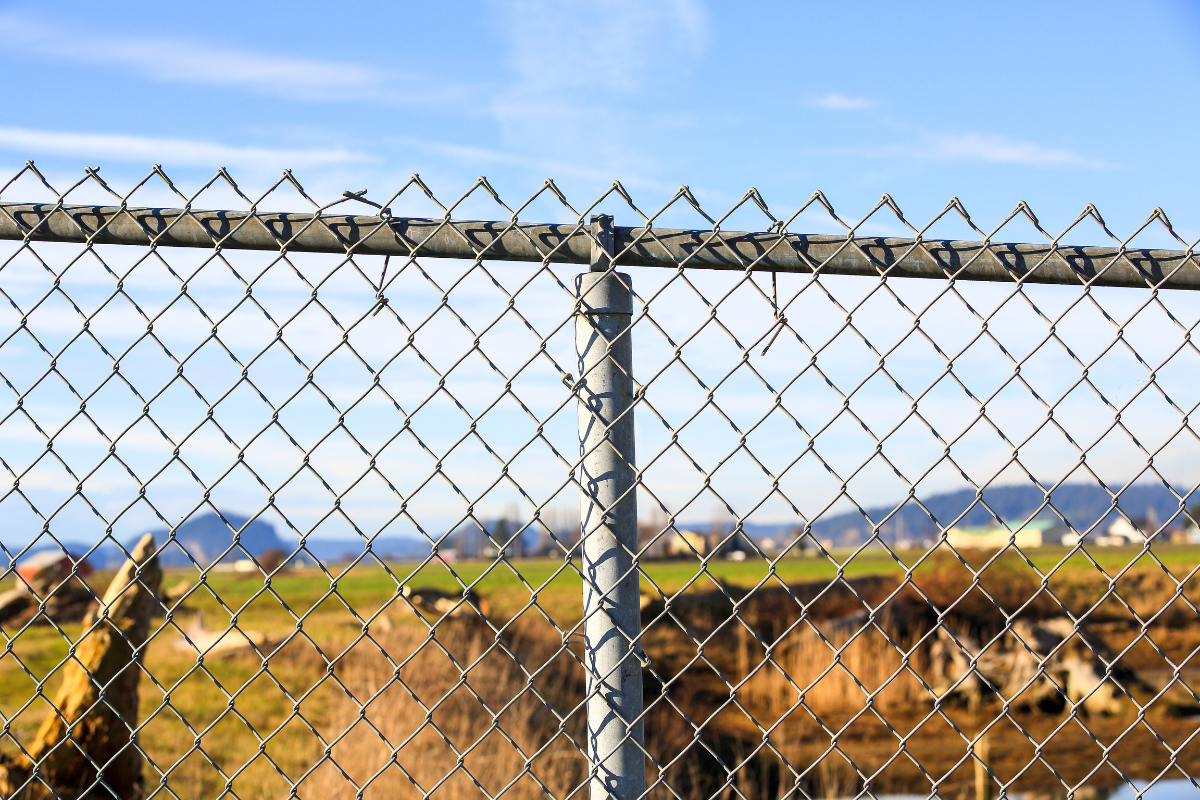
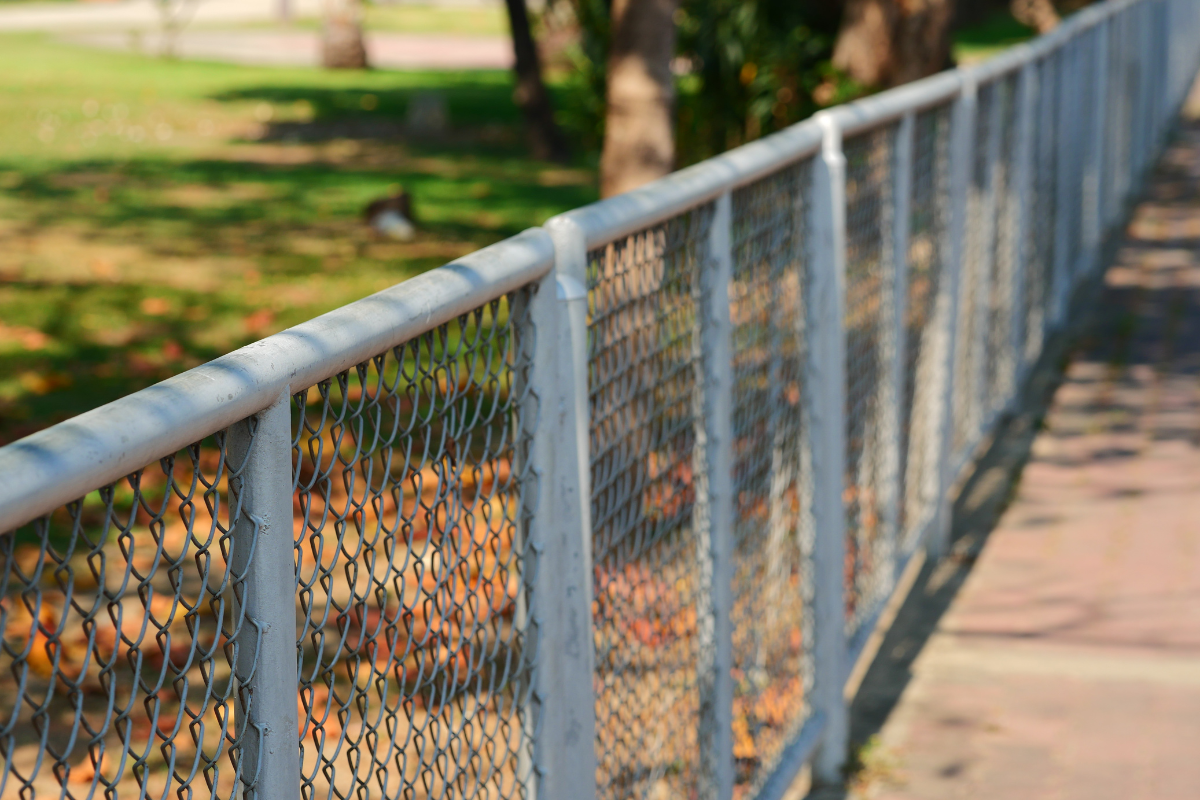
Chain link has a reputation for being purely utilitarian, the workhorse of ballfields and back lots. That perception lingers because many of the fences people remember are the raw galvanized kind installed decades ago with minimal attention to line, finish, or landscape. The modern reality looks different. With better coatings, taller privacy options, custom colors, and tighter installation standards, chain link fencing can sharpen a property’s architecture and feel. When the post layout is clean, fabric tension is crisp, and the fence ties into the landscape, you get security, durability, and a surprising boost to curb appeal.
I have spent years specifying and building fences for homes, schools, light industrial sites, and municipal projects. Chain link remains the most straightforward value play when you want long service life with minimal maintenance. The difference between an eyesore and an asset usually comes down to three things: the material choices at the start, the discipline of the layout, and the finesse of the install. When you treat it like a crafted exterior element rather than a rushed perimeter, it pays you back every day you pull into the driveway.
Why curb appeal and chain link belong in the same sentence
People chase curb appeal for resale value, pride of place, and a welcoming street presence. A fence touches all three. It frames the lot, defines how your home sits on the street, and telegraphs how well the property is cared for. A sagging top rail, a leaning post, or fabric with waves sends a message nobody wants to send. A straight fence with consistent height, neat caps, and a finish that complements the house color blends in quietly or, when chosen intentionally, adds a crisp line that anchors the landscape.
I’ve replaced plenty of serviceable but ugly fences. Most homeowners were resigned to their chain link until we swapped out shiny silver for black vinyl-coated fabric with black posts, straightened gate geometry, and added a tight gravel sweep under the line. They were surprised by how “finished” the yard looked. If you think chain link is inherently industrial, seeing a matte black fence among well-kept shrubs will change your mind.
Choosing materials that look good and last
Every chain link fence is a set of parts that must work as a system: posts and footings, rails, mesh fabric with a specific gauge and opening size, fittings, and tension hardware. Each choice influences appearance and lifespan. The big forks in the road are coating type, framework gauge, mesh gauge, and hardware quality.
Coatings set the tone. There are two primary looks: bare galvanized, and color-coated. Galvanized steel is the classic silver. It is cost effective, rugged, and reads “utility.” For curb appeal, I often specify vinyl-coated fabric and powder-coated or polyester-coated framework in black, dark green, or brown. Black is the most forgiving visually, because our eyes read it as a shadow line. Green can work in a heavily planted yard, though it must be a deep green to avoid a plastic look. Brown complements cedar trim and warm stucco tones.
On mesh gauge and opening size, most residential fences use 9 or 11 gauge wire and a 2 inch diamond opening. If you want a more refined face, move up in thickness and down in opening size. A 9 gauge with a 1.75 inch opening tightens the pattern so the fence looks more solid and casts a nicer shadow. For security, consider smaller openings or 6 gauge on high-impact sections like alley sides or near sport courts. Heavier fabric lies flatter out of the box and tensions more uniformly, which means fewer dips along the top rail and cleaner corners.
Framework matters as much as fabric. Posts, rails, and braces carry loads from wind and gates. A chain link fence with a solid look almost always has a stiffer frame than the cheapest option. For residential lines up to 5 feet high, I use a 2 3/8 inch outside diameter terminal post at corners and gates, and a 1 7/8 inch line post on runs longer than 30 feet. For 6 foot fences, the 2 3/8 inch post becomes my default for corners and gates, with at least 2 inch line posts. Top rails at 1 5/8 inch make a noticeable difference in straightness compared to lighter 1 3/8 inch rails. The added material cost is small compared to the visual upgrade and reduced maintenance.
Finally, hardware and tension elements tidy the line. Good tension bars and bands keep fabric uniform at corners. Brace bands that actually fit the post diameter, not “close enough,” save you from awkward gaps. Polyester-coated ties for color fences, stainless steel where corrosion risk is high, and dome post caps rather than flat caps help the fence read as finished rather than thrown together. Skipping the $100 savings on fittings is the sort of false economy I see people regret.
Layout makes or breaks the look
I have walked into jobs where material was fine but layout ruined the result. Property lines curve. Grades rise and fall. The fence line you see from the street should feel deliberate even when the lot is not. That comes from staking, stringing, and taking time before the auger ever hits the soil.
The staking dictates the geometry. I set terminal posts at corners and gates first, then pull a string line tight between them at the exact finished height. On slopes, decide early whether to step the fence or run it raked to grade. Stepped sections can look choppy in a front yard, but they’re useful where grade breaks sharply. Raked fabric, when done with the right post height adjustments, reads as a smooth line that follows the ground. The key with raked fences is keeping the top rail true while allowing a consistent reveal to the soil below.
Sightlines matter. Walk to the street and look back at your string. If the line jogs at a tree or utility, move the line to conceal the jog behind landscaping or align it with a house detail so it appears intentional. For long runs, allow small offsets to avoid awkward near misses with shrubs or meters. It is better to build a straight fence and adjust landscape later than to snake a fence around everything in its path.
Gate placement influences daily use and also the look. Gates are focal points. Keep gate posts plumb and stacked so leaves close evenly, and center pedestrian gates where they align with walkways, not necessarily with the midpoint of a fence section. On driveways, oversized posts and high-quality hinges prevent sagging. That sag is one of the quickest ways to make a fence look tired.
Best practices for chain link fence installation
I have seen a fence fail in every way possible: posts heaved by frost, rails bent by kids climbing, fabric sagging because someone skimped on tension. The cure is simple, slow discipline. Materials and coatings have improved, but gravity and weather have not.
The soil tells you how deep the posts need to go. In clay or loam, a 6 foot residential fence does best with a 30 to 36 inch hole, belled at the bottom if frost is a risk. In sandy soils, I often go deeper or wider to gain friction. The set should be at least 2 inches of concrete cover around the post, more for gate posts. I bell the bottom of the hole before pouring to resist uplift from freeze-thaw. In warm climates with no frost, depth can be reduced, but I rarely go shallower than 24 inches even for low lines.
Concrete mix and placement deserve attention. Dry-pour methods are common in budget installs. I prefer a wet set where I can rod the mix around the post and crown the top slightly to shed water. It adds time, but it means fewer callbacks for loose posts. Keep the posts braced square until the set is firm. I check plumb twice: once as concrete goes in, and again after initial set when the post has taken any last movement.
Tension is the art that separates a tidy fence from a wavy one. Attach fabric to a tension bar at an end post, hang it loosely along the line, then stretch with a come-along and stretcher bar applied three diamonds in from the far end. The sound of a properly tensioned fence is distinct, a dull twang when you tap the fabric with your knuckle. Over-tensioning distorts diamonds and pulls posts. Under-tensioning sags. Along top rails, use ties at consistent spacing, closer on curves and wind-prone sections, and always tie the knuckles down at the top on security lines. Bottom tension wire cleans up the skirt and deters pets, and for curb appeal it creates a neat, repeating scallop along grades that looks intentional rather than ragged.
Corners and ends want bracing that is scaled for height and load. On runs longer than about 100 feet, I add pull posts or brace assemblies to divide the tension load. The typical H-brace with a top rail and diagonal truss rod keeps fabric taut without leaning corners. Skipping this step means the fence slowly bows toward the line pull, which your eye will catch every time you drive past.
Color and finish: how to make chain link disappear or stand out
Most homeowners either want the fence to vanish or to act like a crisp architectural line. Chain link can do both with the right color and finish choices.
Black vinyl-coated fabric with matching framework tends to dissolve visually against landscaping. It also hides dust and pollen better than galvanized silver. In bright sun, black reads matte and does not flash light back at the street. Dark green can blend into lawns and evergreen backdrops, but it should be a deep tone to avoid a toy-like sheen. Brown feels warm next to brick or stained wood, particularly in desert or prairie contexts.
Galvanized has its place. On mid-century homes with aluminum trim or in coastal zones where silver reads honest and functional, a clean galvanized fence with aluminum caps can look sharp, especially with heavier gauge fabric that lies flat. You can soften a silver fence with plantings and still keep the crisp metallic line.
Hardware should match the frame. Mixed metal colors and mismatched caps cheapen the look quickly. If you are hiring a chain link fence contractor, ask to see a full set of fittings in your chosen color, not just the fabric. A reputable chain link fence company will show you samples of tension bands, brace bands, rail ends, and ties alongside the posts. Details sell the result.
Privacy, security, and aesthetics without a fortress vibe
Homeowners often want privacy without putting up a wall. Modern chain link offers a few ways to achieve it without losing the benefits of airflow and light.
Vinyl slats are the obvious route, and the field has improved. Thicker slats with textured faces reduce glare, and locking channels keep slats aligned over time. For front yards, I typically advise against full slatting unless the architecture is contemporary and can handle the visual mass. Partial slatting in strategic zones, like along a neighbor’s driveway, can deliver privacy while keeping the street face open.
Privacy screens or windscreens borrowed from tennis and construction applications can look decent in black, but they are sails in strong winds. If you use them, increase post and footing sizes, add mid rails for stiffness, and inspect ties seasonally. Screens make sense around pool equipment or work areas where appearance matters less than blocking a view.
For security, a bottom rail or continuous tension wire helps prevent lift. Consider smaller diamond openings near alleys to deter footholds. If you need greater deterrence, pressed spear or decorative finial add-ons exist for chain link, but they shift the look toward ornate. Many homeowners prefer to keep the top clean and rely on height, lighting, and visibility instead.
A field-tested step-by-step for a clean install
Use this as a practical sequence that favors both structural integrity and a tidy finished look.
- Verify property lines with a survey or pinned corners, then stake terminal points, gate openings, and any grade breaks. Pull string lines at finished height, check sightlines from the street, and adjust for symmetry and utility access. Set terminal and gate posts first with properly sized, wet-set footings. Brace plumb and cure. Add line posts to the string at measured spacing, adjusting heights on slopes to maintain a true top rail. Install top rails and braces, checking for a continuous straight run. Pre-paint any cut ends on coated rails and use sleeve joints rather than field overlaps for a cleaner line. Hang and tension fabric from one end using tension bars and a stretcher bar. Set bottom tension wire or rail, then tie fabric to rails and posts at consistent spacing. Trim excess neatly and cap posts. Hang gates last, plumb and level, set hinge tension, and install latches at comfortable reach height. Test close lines and adjust until the gaps are uniform.
Common mistakes that ruin curb appeal
The photos that make property owners call for chain link fence repair usually share the same culprits. I have learned to head them off during estimating and layout.
Undersized posts are at the top of the list. A 6 foot fence built with 1 5/8 inch line posts will flex in the wind and telegraph every bump of the grade. At gates, using the same post as the line guarantees sag. Gate posts need more concrete and heavier wall thickness. If your fence faces strong afternoon winds, treat long straight runs as structures, not decorations.
Shallow footings will move, particularly on freeze-thaw ground. When you see a fence with alternating posts leaning slightly left and right, odds are the holes were dug shallow and the crew relied on dry mix. I have pulled out posts with my hands that were set in a gray slush and never cured properly. Wet set, crown, cure, and you will sleep better after the first hard rain.
Inconsistent height is a subtle offender. Even a 1 inch variation in the top line every few panels creates a sawtooth that reads sloppy from the street. If the grade varies a lot, stepping the fence in measured increments looks cleaner than chasing the grade. The goal is visual calm, not mathematical perfection to the terrain.
Poorly chosen color is another mistake. Bright green on a home with cool gray siding jars the eye. Glossy brown on a home with matte cedar looks off. When in doubt, black is the most forgiving choice for curb appeal. Ask your chain link fence contractor for a sample piece and hold it against the house in daylight before committing.
Working with a professional chain link fence company
There is a time and place for DIY. I have helped homeowners build tidy, short runs with patience and rented tools. For most front-facing fences or complex grades, a professional pays off. The best chain link fencing services bring the muscle memory for straight lines and the gear to tension fabric correctly. They also know when to upsize hardware because a particular wind exposure or soil type will punish a standard spec.
A good chain link fence contractor will do a few things before quoting. They will walk the property, ask about your priorities, confirm utility locates, and discuss options in plain terms. They will itemize materials by gauge and diameter so you know what you are buying. If you get a single-line quote without specs, ask for details. Gauge, post diameter, wall thickness, and footing depth all affect both look and longevity.
If appearance matters most, show examples of fences you like. Bring photos of black vinyl-coated https://zaneorgn049.lowescouponn.com/high-tensile-chain-link-fencing-services-for-maximum-security fabric with matte posts, or a stepped run that feels calm, or gates with clean reveals. Contractors who routinely deliver sharp-looking fences will have similar images from their own work. They should also have references. A small chain link fence company with a short lead time is not a red flag, but one that cannot point to recent projects might be.
Integrating landscaping for a finished street presence
A fence rarely stands alone. Planting pulls the entire picture together and hides the unavoidable seams of real-world construction.
Set the fence 6 to 12 inches inside the property line when you plan a planting strip. It gives room for shrubs to fill in without leaning into the sidewalk or spilling through the mesh. Use dwarf varieties along front runs so you do not lose the line entirely, and keep plantings varied in texture. Fine-needled shrubs against the diamonds can look fussy; broadleaf evergreens soften better. A simple crushed stone or steel-edged mulch band under the fence prevents grass from growing into the mesh and gives a crisp foot.
Where a fence crosses a driveway or path, consider paving cuts that align with posts. A two-foot extension of concrete or pavers to the fence line prevents muddy corners and highlights the gate. On corner lots, plant beds at the outer turns can make a necessary brace post look like part of a garden design rather than a structural necessity.
Lighting is the last layer. Low-voltage path lights near gates and corner plantings take attention off the fence and put it on the landscape. Black-coated chain link disappears at dusk, which is usually what you want.
Maintenance, repair, and long-term appearance
Good chain link needs very little care. That is part of its appeal. Still, a few habits keep it looking tight.
Walk the line after storms. If you hear a new rattle, check ties and tension. Replace a broken tie before it propagates into sag. Check gate hinge bolts and latch catches twice a year. A quarter turn can remove play that otherwise grows into a visible droop. If you have vinyl slats or screens, inspect for loose channels and re-seat them before wind seasons.
For rust, color-coated fences rarely corrode unless they are cut and the ends left bare. When you do cut rails or posts, touch up with the manufacturer’s paint. On galvanized, surface rust often starts where the coating was scraped. A wire brush and a zinc-rich cold galvanizing spray arrests it well. If fabric gets damaged, a competent crew can weave in a patch panel that an untrained eye will not notice. The key is matching gauge, color, and diamond size, and re-tensioning the full panel so the fix sits flat.
Chain link fence repair is usually straightforward, but avoid piecemeal fixes that create a patchwork. If multiple posts have shifted along a front run, it may be time to reset an entire section. I advise clients to group repairs for economy and uniformity. A straight, uniform fence reads as intentional. A straight section patched next to a leaning section reads as deferred maintenance.
Cost, value, and where to spend or save
Budget drives many decisions. Chain link retains its market position because it delivers a long service life for the dollar. When you are aiming for curb appeal, spend money in places that the eye catches.
Color-coated fabric and framework add cost compared to galvanized, but the upgrade is visible every day. Heavier framework and deeper footings rarely show immediately, but you see their value in three years when the fence is still ruler-straight. Gates deserve the best hardware you can afford. A sagging gate ruins the face, and hinge upgrades are cheap insurance.
You can save on height where it does not affect privacy or containment. A 5 foot front run often looks better than 6 feet and meets code in many jurisdictions. Save on slats unless they solve a specific problem. Skip ornate caps unless they suit your house style. Put the money into straight line work and color that complements the facade.
Permits, neighbors, and the soft side of a hard line
Even a measurement-perfect fence fails if it alienates neighbors or violates code. Before you call for dig locates, read local ordinances. Many cities limit front yard fence heights to 4 feet or require open designs near driveways for sight lines. Some homeowner associations restrict color and materials. A quick call saves you a rework.
Talk to neighbors when a shared boundary is involved. A short conversation about height, gate swings, and planting plans heads off disputes. On corner lots, mind visibility triangles at intersections. Police and traffic engineers care about those for good reasons. If your chain link fence installation respects those lines, it will meet both code and common sense.
On the street side, consider adding a street number plaque or small ornamental detail near a pedestrian gate. One or two thoughtful cues can shift a fence from functional to welcoming without sliding into ornament for ornament’s sake.
When chain link beats wood, vinyl, or ornamental for appearance
A common question is why choose chain link for curb appeal when wood or vinyl exist. Each material has a look and a maintenance profile. Wood offers warmth and full privacy, but it weathers, needs stain or paint, and can warp. Vinyl gives uniform color and privacy, but it looks heavy and shows dirt. Ornamental steel or aluminum reads high-end, but cost climbs quickly for long runs.
Chain link wins when you want visual lightness, honest structure, and reliable alignment. On mid-century ranches, minimalist modern homes, and properties with open lawns, a black chain link line outlines the space without taking over. It is the frame, not the painting. With the right plantings and details, it can feel tailored.
Final take: the craft behind a quiet result
When chain link is done well, you barely notice it. The top rail is true, the corners upright, the gate closes with a single finger, and the color recedes into the landscape. Achieving that quiet confidence is a craft. It means choosing a stiffer framework than the bare minimum, investing in coated fabric that lies flat, and taking the time on layout so the fence harmonizes with the house and grade. It means working with chain link fencing services that treat hardware as part of the aesthetic, not an afterthought, and calling for chain link fence repair before small flaws become visible problems.
If you are interviewing a chain link fence contractor for a front-facing fence, bring up curb appeal as a primary goal. Ask for black or deep-tone samples, specify framework gauges, and walk the line with them before they dig. If you are tackling it yourself, slow down on staking and tension. Either way, the delta between a fence that marks a boundary and one that elevates the property is less about cost than care. A modern chain link fence, properly chosen and installed, can be the quiet backbone of a home’s street presence for decades.
Southern Prestige
Address: 120 Mardi Gras Rd, Carencro, LA 70520
Phone: (337) 322-4261
Website: https://www.southernprestigefence.com/